
Understanding the hidden psychology behind gambling behaviors
The Allure of Risk and Reward
The psychology of gambling is deeply intertwined with the concepts of risk and reward. Many individuals are drawn to the thrill of taking chances, where the potential for a significant payout creates an adrenaline rush. This excitement can sometimes override rational decision-making processes, leading gamblers to chase losses or continue playing despite unfavorable odds. The promise of winning can be intoxicating, creating a powerful motivation to engage in gambling behaviors. For those interested in exploring the thrill further, there are various online betting sites giropay that can enhance their experience.
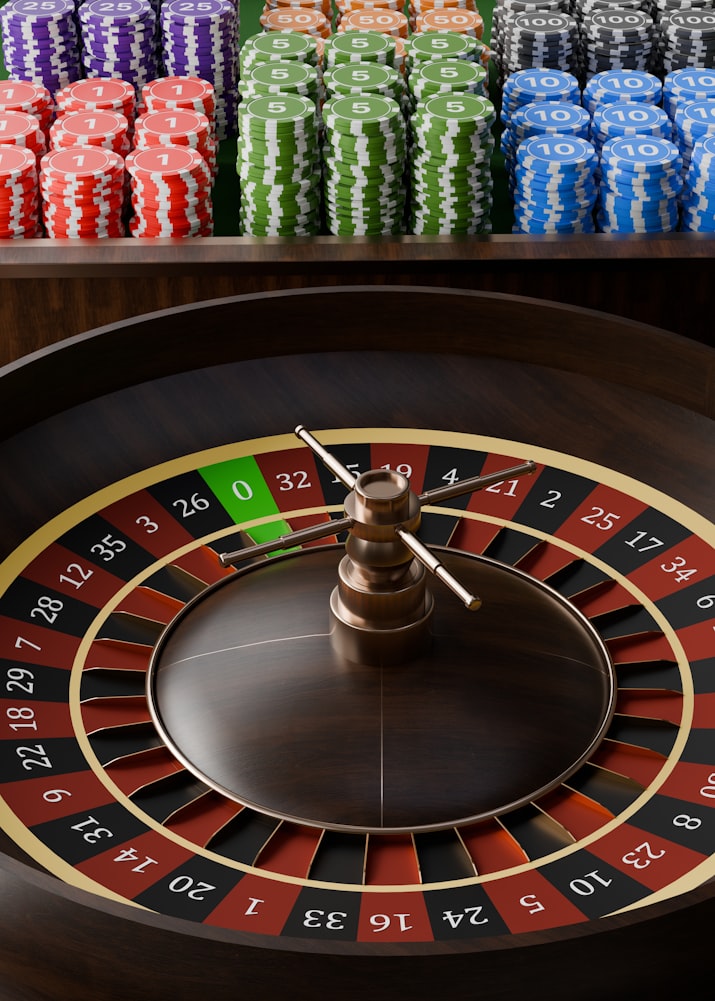
This attraction is not merely about financial gain; it also involves the psychological stimulation derived from the activity itself. The anticipation of a win can lead to a heightened sense of pleasure and engagement, making the gambling experience more appealing. These emotions often cloud judgment, resulting in behaviors driven by immediate gratification rather than long-term consequences.
The Role of Environment and Design
Certain environments are specifically designed to enhance the gambling experience. Casinos often utilize specific colors, sounds, and layouts to create an immersive atmosphere that encourages prolonged play. Bright lights and vibrant decor can stimulate excitement, while the arrangement of games is often optimized for maximum foot traffic. This strategic design plays a crucial role in attracting and retaining gamblers, influencing their decision to stay longer and bet more.
The ambiance of a casino can evoke feelings of euphoria, leading patrons to overlook the potential risks involved. The lack of windows and clocks creates a sense of timelessness, further encouraging players to lose track of time and money. Such carefully crafted environments tap into psychological triggers that keep individuals engaged, often blurring the line between entertainment and compulsion.
Addiction and Compulsive Behaviors
Addiction to gambling is a serious psychological issue that affects many individuals. The brain’s reward system can become hijacked by the dopamine released during gambling activities, fostering a dependency that can lead to compulsive behaviors. Gamblers may find themselves unable to stop, even when they are aware of the negative impacts on their lives and relationships.
The cycle of gambling addiction is often perpetuated by the illusion of control. Many gamblers believe they can influence outcomes through skill or strategy, despite the inherent randomness of games. This belief can lead to repeated attempts to win back losses, further entrenching the compulsive cycle and complicating recovery efforts.
The Impact of Social Influences
Social dynamics play a significant role in gambling behaviors. Peer pressure and the desire for social acceptance can drive individuals to participate in gambling activities, even if they initially had no interest. Group settings, such as casinos or sports betting events, can foster a sense of camaraderie that makes gambling seem more appealing.
The presence of friends or family members who gamble can normalize the behavior and diminish the perceived risks associated with it. Additionally, the storytelling aspect of gambling—sharing wins or near misses—can create a social narrative that glamorizes the activity, attracting more individuals into the gambling world.

Explore More on Responsible Gambling
Understanding the psychology behind gambling can pave the way for more responsible behaviors. Recognizing the emotional and social triggers that influence gambling can empower individuals to make informed choices. Education about the risks and the development of strategies to manage gambling habits can significantly reduce the likelihood of addiction.
For those seeking guidance, our website offers a wealth of resources aimed at promoting responsible gambling practices. By providing insights and support, we aim to create an environment where individuals can engage in gambling activities safely, enjoying the thrill without falling into the traps of compulsive behaviors.